Listen to the world.
A free, open atlas of sound: listen to thousands of animals, places and instruments, and explore frequencies, decibels and the science of hearing – with free tools that run in your browser.
Explore the atlas
Animal sounds
Birdsong, frogs, mammals and insects – real recordings with facts.
58,390Field recordings
Soundscapes from cities and wild places, on a world map.
Instruments
How every instrument makes its sound – and what it sounds like.
Frequencies
Play any tone from 1 Hz to 22 kHz, with notes and wavelengths.
Decibels
Every level from 0 to 194 dB, with safe exposure times.
Music genres
Origins, family trees and key artists.
Glossary
Acoustics, hearing and audio terms explained.
Free tools
Tone generator, dB meter, hearing test, spectrogram…
Today's listening
World sound map →Soundscapes
All themes →- Rain
- Thunderstorms
- Wind
- Sea & waves
- Rivers, streams & waterfalls
- Birdsong & dawn chorus
- Frogs & insects
- Forests
- Night soundscapes
- Church bells
- Markets & bazaars
- Streets & traffic
- Trains & stations
- Trams, metros & buses
- Harbours, ports & boats
- Airports & aircraft
- Construction & industry
- Crowds & voices
- Festivals, parades & fireworks
- Protests & demonstrations
- Street music & buskers
- Prayer, chant & ritual
- Cafés, bars & restaurants
- Snow & ice
- Caves, tunnels & underground
- Underwater (hydrophone)
- Contact-mic recordings
- Farms & farm animals
- Mountains
- Parks & gardens
- Fountains
- Soundwalks
Bird songs
All birds →
Chicken
Gallus gallus domesticus

House sparrow
Passer domesticus

Common raven
Corvus corax

Eurasian magpie
Pica pica

Mallard
Anas platyrhynchos

Eurasian hoopoe
Upupa epops

Common blackbird
Turdus merula

Common quail
Coturnix coturnix

European robin
Erithacus rubecula
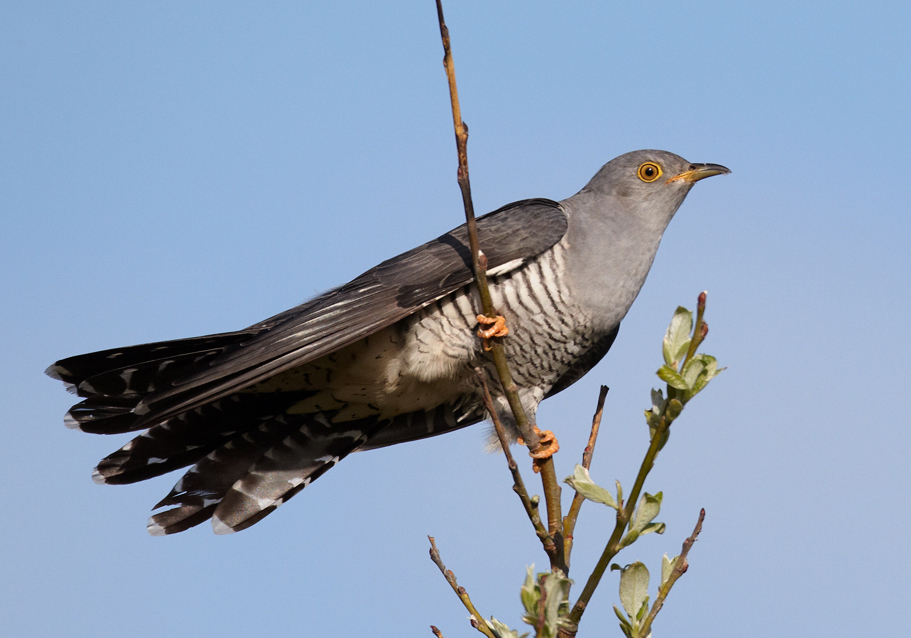
Common cuckoo
Cuculus canorus

Rock dove
Columba livia

Eurasian golden oriole
Oriolus oriolus
How loud is it?
Decibel chart →A soft whisper at about 1.5 m (5 ft).60 dBNormal conversation
Two people talking at about 1 m.75 dBVacuum cleaner
At the operator's position.85 dBHeavy city traffic
Standing at the curb of a busy street.110 dBRock concert
CDC: concerts 94–110 dB; front rows near speakers can be louder.110 dBChainsaw
NIOSH lists a chainsaw at about 110 dB.140 dBJet engine at takeoff
At about 30 m (100 ft).165 dB12-gauge shotgun
NIOSH lists a 12-gauge shotgun at 165 dB.
Play a frequency
All frequencies →Start with your device volume low. Very low tones may be inaudible on phone or laptop speakers; very high tones can be uncomfortable on headphones.
Free tools
All tools →- Tone generator
- Decibel meter
- Hearing test
- Spectrogram
- Wavelength calculator
- Frequency to note
- RT60 calculator
- Decibel calculator
- Sound vs distance
- Noise exposure calculator
- Speed of sound calculator
- BPM to ms
- Audio file size
- Lightning distance
Learn
All guides →Latest posts
- What Is Sound Recognition and How Does It Work
- Synonyms for Metadata and How to Use Them Correctly
- Evaluating Sound Reflection Data for Better Acoustics
- Examples of Natural Sounds and How They Shape Environments
- How to Set Up a Recording for Professional Results
- Approaches to Teaching Listening Methods for Language Learners
- Examples of Sound Absorption and How Materials Work
- The 7 Types of Electromagnetic Wavelengths Explained
- What Is a Spectrogram in Linguistics and How It Works
- Waveform vs Cakewalk Which DAW Fits Your Workflow